Artistic Directors & Arts Leaders

You are responsible for the art, the governance, the people.

I work with artistic directors and arts leaders. I bring the sector knowledge and experience to help them navigate the complexity of the role and focus on the art they want to make.


Where the pressure concentrates

The role is harder than it looks from the outside.

Much of the pressure that artistic leaders feel doesn't come from the art. It comes from the structure around it: the daily firefighting, governance dynamics, inherited institutional culture, the cost of being at the top of a system with no internal peer. Some areas I work with clients on, include:

01

Governance

Governance sits at the intersection of creative authority and institutional accountability. The relationship between artistic director, executive director, and board is designed to provide balance. In practice, it's often where the most persistent tension lives.

02

Culture & Trust

The sector is in a period of change. Many arts leaders step into institutions carrying histories they didn't create: patterns of conduct, power imbalances, cultural norms that predate their tenure. Building trust with staff in that context is harder than it should be, not because of anything the current leader has done, but because old cultural norms don't reset when leadership changes.

03

Artist wellbeing as operational reality

Artist wellbeing sits at the intersection of human care and legal responsibility. Most leaders are more comfortable in one than the other. The culture that produces harm is often the same culture that produces the work, which means changing it requires more than updating a policy. It requires looking at how artistic standards are held and communicated, alongside the structures that support people through it.

04

Structural isolation

You report to a board, Intendant or managing director, whose perspective on the work may be different from yours. The interests of those around you regularly diverge from yours. Your artists' relationship to you can be emotionally loaded. In many companies you also carry fundraising responsibilities alongside creative and administrative ones. There is no one inside the institution who holds the full picture of what you're managing.

You were hired to lead the art. The governance, the culture, the daily firefighting, that's what gets in the way.

This work clears the path.


From the field

From artists, institutions, and leaders.

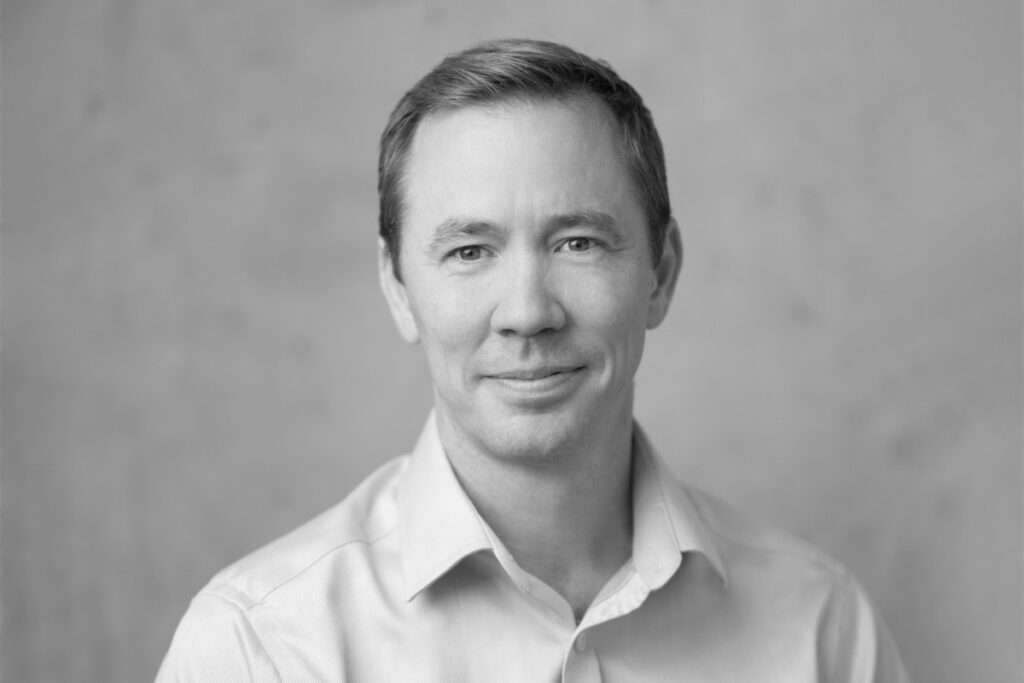
"Adrian joined us at a moment when the organisation was between Artistic Directors. A period that tests executive leadership in particular ways. I watched how he operated in that uncertainty: with steadiness, real organisational intelligence, and a quality of support for people that made him excellent in his role. Anyone leading in the arts who works with him will be getting someone who has seen that complexity from the inside."
PH
Patrick HarrisonChief Operating Officer, Royal Ballet School

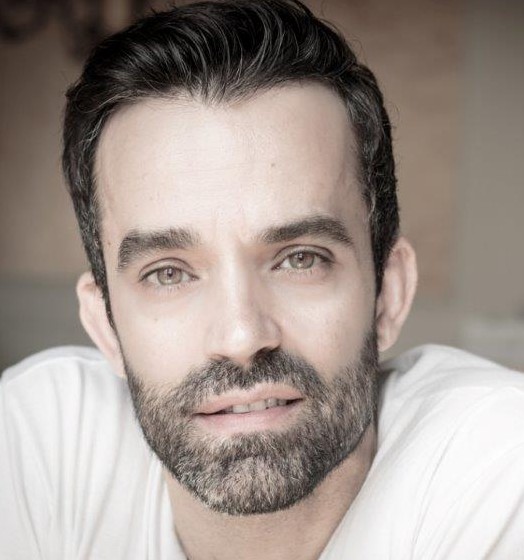
"Adrian had a rare quality among senior staff: he understood the full vision of what we were trying to do artistically and organisationally. I watched him have a real impact on dancers navigating the pressures of performance at the highest level, helping them to focus and perform when it mattered most. That capacity is what makes him, I think, an unusually well-equipped coach for people leading in the arts."
AW
Aaron WatkinArtistic Director, English National Ballet

"Adrian understands what it costs to hold high artistic standards in an institution. The artistic standards on one side, and the institutional demands on the other. He doesn't ask you to soften one for the other, he can navigate both. What struck me was the intelligence he brought to his work: a genuine understanding of how the creative mind works under pressure, and what it actually takes to lead from that place."
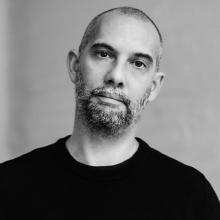
DD
David DawsonAward-winning International Choreographer

"I worked with Adrian across two distinct phases: first while applying for the AD role, and then once I had stepped into it. Each phase brought different questions and challenges, and Adrian had a remarkable ability to understand what was needed at the time. His clarity, insight, and warmth were invaluable throughout and I still use his advice now."
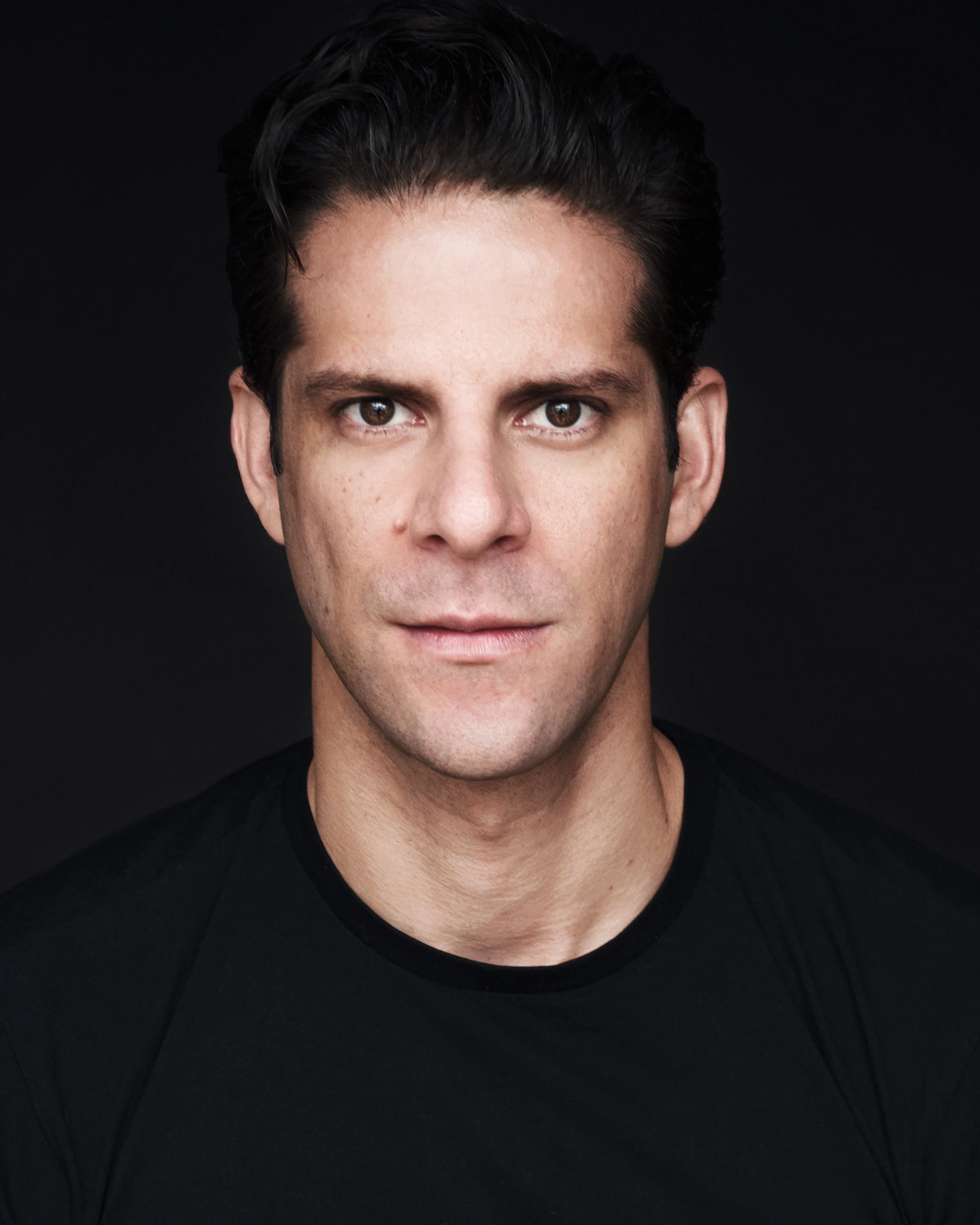
MG
Marcelo GomesFormer Artistic Director, Semperoper Dresden

"The professional qualities Adrian brought to this work: integrity and standards, intelligence, independence and commitment. Adrian's insight would be an asset to any arts organisation."
Dr J. MullinsFormer Head of Arts and Media, University of New South Wales

English National Ballet
American Ballet Theatre
Dresden
Royal Shakespeare Company
Nederlands Dans Theater

About me

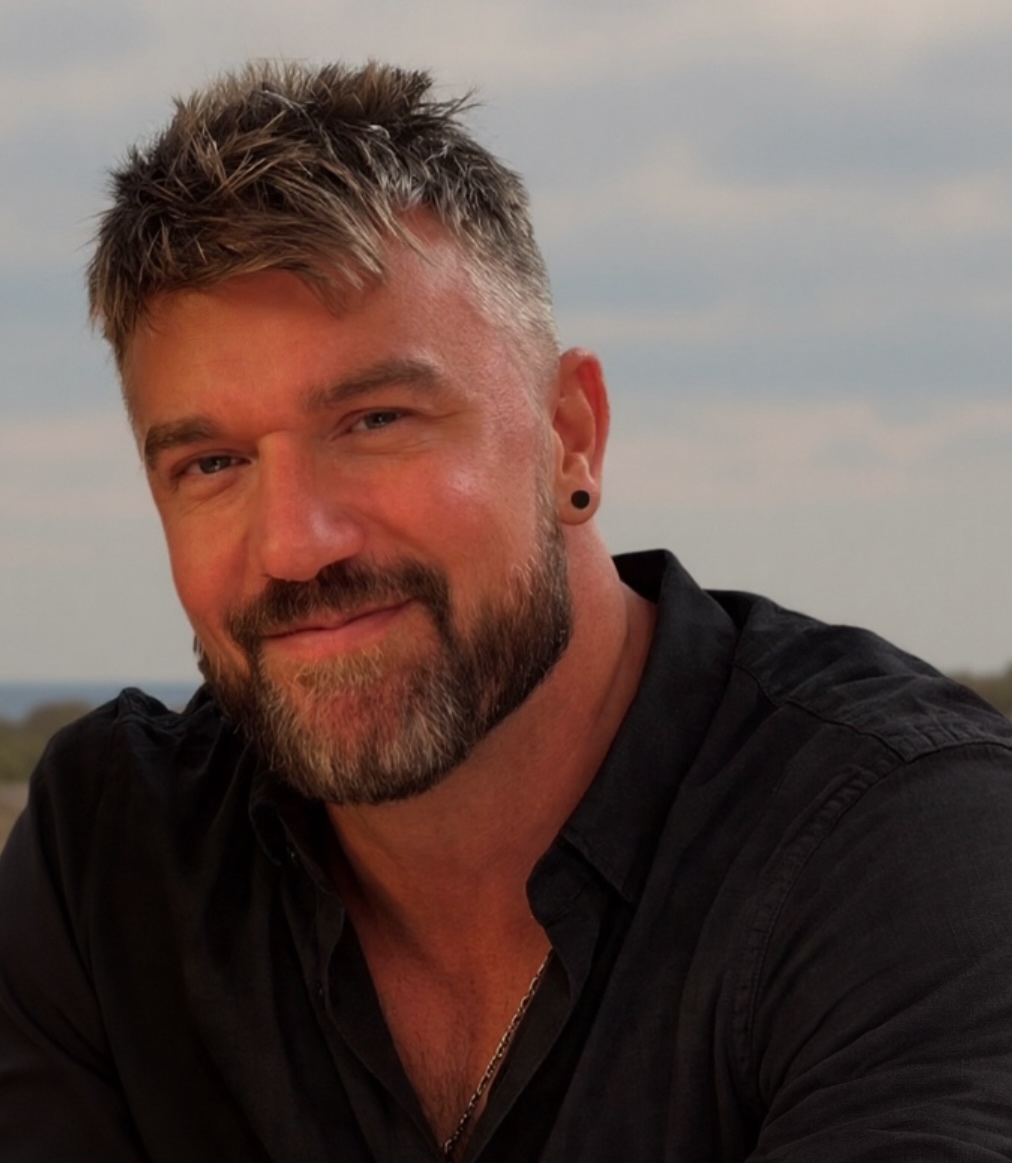
Coaching Psychologist. Former Head of Performance Coaching and Development, English National Ballet. Former Professional Ballet Dancer.

15+
Years Coaching, Mentoring & Lecturing professional development
Postgraduate qualifications in coaching psychology, counselling & dispute resolution
10 yrs
International performing career, working across Europe in classical and contemporary repertoire
Adrian van Winkelhof

I started as a professional ballet dancer, training at the Australian Ballet School, medalling at the International Ballet Competition in Japan, and dancing in classical and contemporary repertoire across Europe. That world gives you an unusually direct education in high performance: what it takes to develop excellence over the long arc, how pressure builds in the desire to meet expectations, and how a clear sense of purpose is what sustains people through it. It also taught me something less visible: how easily self-worth becomes entangled with output, and how the tension between personal standards and external demands can quietly erode the very qualities that made someone exceptional in the first place.

When I left the stage I went back to study what I'd been living. I hold a BArts in Cultural Studies, a Master's in Psychology of Coaching, a Master's in Dispute Resolution (distinction), a Graduate Diploma in Counselling. I lectured in the Faculty of Media and Arts at UNSW, which kept me inside the sector while I was building the frameworks to understand it differently. I also trained and practised as a mediator, which gave me a rigorous grounding in conflict, power dynamics, and how competing interests operate beneath the surface of any organisation.

As Head of Performance Coaching and Development with English National Ballet, I designed and ran Dance Leaders of the Future, a structured leadership development programme for company dancers. In parallel, I worked closely with ENB's medical teams to develop and deliver wellbeing initiatives for performers: the education, communication, and practical delivery of mental health support inside a high-performance environment. I also worked with HR on the creation and rollout of the policy frameworks that underpin culture change, because you can't shift culture without the structural guardrails in place to support it. That work required holding artistic standards and human welfare simultaneously.

Over fifteen years working with people to achieve their best outcomes, I have worked with founders, executives, and senior professionals across a wide range of industries and institutions. Clients describe navigating major career transitions with clarity, securing promotions they had talked themselves out of, and expanding their businesses and profitability. The through-line across all of it is the same: getting to what's actually producing the current result, and building from there.

Qualifications & Memberships

University of Sydney
UTS
AIC
AIPC
Golden Key
USyd USCMA

The problems are structural. The work is still personal.

Understanding that the pressure is structural doesn't remove the need to navigate it. The work is building the clarity, tools, and internal resources to operate well inside the system you're actually in, with its real pressures and its real possibilities.

01

We start with what you're actually navigating

The first sessions are about getting a clear picture of your situation: the relationships, the pressures, the decisions you're sitting with.

02

We identify what's producing the difficulty

Most of what arts leaders bring isn't random. There are specific dynamics generating the pressure. We work on naming those precisely.

03

We build tools for your specific situation

The strategies that come out of this work are built for your context: your board, your institution, your artists, the conversations you're actually going to have.

04

The work embeds over time

Change under real pressure is different from change in a coaching session. We track what holds and what doesn't, and adjust. Most clients describe the shift becoming real around the three-month mark.


Organisational work

Beyond one-to-one coaching, I can work with your organisation directly.

Some institutions need more than leadership support for the person at the top. I can work with you to design departmental structures aligned to your artistic goals, deliver performance coaching for staff, and develop the policy frameworks that underpin culture change. The scope depends on what your organisation actually needs.


Questions

What you might want to know first.

Do you work with board and governance dynamics directly?

Yes. The governance dimension is one of the things I work with most specifically. My background in dispute resolution gives me a rigorous framework for reading how power moves in these structures and where interests diverge, which is what makes it possible to work with the dynamic directly and find a clearer path through it. Not all structures take the same form, in many European contexts the artistic director is part of the wider 'house'. The dynamics differ, but the approach and the work applies across all of them.

I've inherited an institution with a difficult history. Where does coaching fit?

Coaching addresses the personal and leadership dimension: how you understand what you've inherited, what you're responsible for versus what preceded you, and how to build the culture you want to lead rather than just manage the one that exists. It doesn't replace legal advice or HR process, and I'll say clearly if something requires those routes. But the cultural and leadership work is real and distinct from those, and it's where the coaching work sits, and where most ADs find the most value.

Why does sector knowledge matter?

Sector knowledge changes what's possible in the conversation. The culture, the power dynamics between artistic and administrative leadership, the specific weight of the role, these are already in the room. I've been inside these institutions as a performer, an organisational coach, and worked with the pressures specific to arts leadership. That shared context means the conversation can go further, faster.

Is what we discuss confidential?

Yes. Professional coaching confidentiality applies. What you bring to sessions stays within the coaching relationship. That's particularly important for arts leaders navigating sensitive governance or personnel situations, and it's why many clients are more candid in this context than in any other professional setting.

Who typically pays for this?

Many clients have this work funded through their organisation's L&D or professional development budget. If that's relevant to you, I'm happy to discuss how to present it.

Practical perspectives on artistic leadership, culture and high performance.


The first step is a conversation. I'd love to hear about your situation.

Book a call

A general discussion to see what's in the way and whether working together makes sense.

Let's connect →

Or write to me directly

Send a message and I'll get back to you shortly.

Send a message →

Stay in the loop

Not ready for a conversation yet?

Occasional writing on arts leadership, culture, and what the role actually asks of the people holding it.